Mani Bhavan Gandhi Museum

About

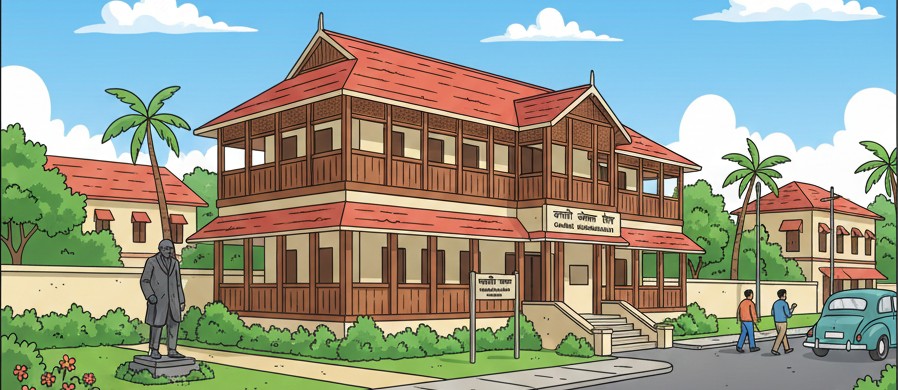
Mani Bhavan Gandhi Museum in Mumbai is a historically significant landmark closely linked to Mahatma Gandhi and India’s freedom struggle. This quaint two storey building in Gamdevi once served as Gandhi’s operational base from 1917 to 1934, a period that shaped several national movements.

The museum preserves an intimate environment where visitors can learn about his personal life, political decisions and simple lifestyle through authentic artefacts and displays. Key highlights include thoughtfully arranged rooms, a well curated library, vintage photographs and hand written letters that capture the spirit of India’s independence journey.

  • The museum houses Gandhi’s spinning wheel, letters and personal items
  • The building witnessed key moments during the Non Cooperation and Civil Disobedience movements
  • The library features thousands of books on Gandhian philosophy and freedom history
  • The quiet reading room and preserved bedroom recreate Gandhi’s daily routine


Visitors often appreciate the calm ambience, detailed storytelling and rare memorabilia displayed across the museum’s rooms. The exhibits are curated to help travellers, students and researchers connect deeply with Gandhi’s values of truth, compassion and non violence.

Its location in a peaceful residential lane adds to the charm, making the Mani Bhavan Gandhi Museum an essential stop for anyone exploring cultural and historical attractions in Mumbai.

History

Mani Bhavan Gandhi Museum, a historic landmark in Mumbai, played a central role during Mahatma Gandhi’s visits to the city in the early 1900s. The building became his headquarters from 1917 to 1934, a period that saw the rise of major national movements. It was here that Gandhi organised significant campaigns, met national leaders and shaped ideas that influenced India’s freedom struggle.

Key highlights:

  • The structure dates back to the early 20th century and belonged to Gandhi’s close associate **Revashankar Jagjeevan Jhaveri**
  • Important movements like the Non Cooperation Movement and Civil Disobedience Movement were coordinated from this building
  • Gandhi’s room has been preserved with his spinning wheel, writing table and minimal belongings
  • The museum showcases rare letters, photographs and documents reflecting events between 1917 and 1934
  • The library houses thousands of books on Gandhian philosophy and India’s independence journey


Facts & Figures

Mani Bhavan Gandhi Museum in Mumbai offers a rich collection of historical materials that help visitors understand Mahatma Gandhi’s work, lifestyle and influence.

The building reflects early 20th century architecture and preserves several important artefacts linked to India’s freedom movement.

  • The museum houses over 20,000 books related to Gandhi, Indian politics and global peace movements
  • Gandhi stayed here frequently between 1917 and 1934
  • Includes a replica of Gandhi’s room with spinning wheel, floor bed and writing desk
  • Features photographs capturing key moments of India’s independence struggle
  • The auditorium hosts small exhibitions, workshops and educational sessions
  • The building is maintained by the Gandhi Smarak Nidhi to preserve heritage materials


Current Scenario

Mani Bhavan Gandhi Museum in Mumbai continues to be an important cultural and educational destination, attracting students, researchers and travellers interested in Mahatma Gandhi’s life and values.

The building is well maintained, with curated exhibits that showcase Gandhi’s philosophy, personal items and contributions to India’s freedom movement.

  • The museum receives steady visitors throughout the year, especially during national holidays
  • Regular educational tours and guided sessions are conducted for schools and colleges
  • Special exhibitions on Gandhi, peace studies and social reforms are hosted periodically
  • The library continues to expand with books, journals and research material
  • Preservation work is regularly undertaken to maintain the structure’s historic character


Special Exhibits & Permanent Displays

Mani Bhavan Gandhi Museum in Mumbai features several permanent exhibits that allow visitors to experience the life, values and daily routine of Mahatma Gandhi. These displays preserve the authenticity of the period and provide deep insights into the national freedom movement.

The rooms and artefacts are carefully maintained to help travellers understand Gandhi’s simplicity, discipline and leadership.

  • The preserved bedroom displays Gandhi’s spinning wheel, floor bedding and writing desk
  • A series of diorama models depict major events of India’s independence struggle
  • Rare handwritten letters and telegrams are showcased in protected cases
  • Vintage photographs document Gandhi’s interactions, travels and political activities
  • The house structure itself is an exhibit, showcasing early 20th century interiors
0413
Library & Research Centre

The library at the Mani Bhavan Gandhi Museum in Mumbai is a valuable resource for students, scholars and history enthusiasts interested in Mahatma Gandhi and India’s freedom movement.

It preserves an extensive collection of books, journals and archival documents that support research on Gandhian principles, socio political history and peace studies.

  • The library houses over 20,000 books on Gandhi, philosophy, politics and global movements
  • Researchers can access rare letters, manuscripts and periodicals for academic study
  • The reading room provides a quiet space dedicated to learning and reflection
  • The collection includes books in multiple Indian and international languages
  • Regular updates and new acquisitions add depth to the research material


International Visitors & Global Recognition

Mani Bhavan Gandhi Museum in Mumbai has earned global recognition as a preserved site associated with Mahatma Gandhi and his contribution to world peace, non violence and civil rights.

Over the decades, it has welcomed renowned international personalities, diplomats and global leaders who admire Gandhi’s principles.

  • Several world leaders have visited the museum to understand Gandhi’s influence on global movements
  • The museum is recognised internationally as a centre for peace education
  • It attracts researchers from various countries studying non violent resistance
  • International delegations often include Mani Bhavan as part of cultural and historical tours
  • The museum’s archives are frequently referenced in global publications on peace studies


Best Time to Visit

The best time to visit the Mani Bhavan Gandhi Museum in Mumbai is during the cooler and pleasant months when outdoor travel is comfortable and visitor flow is steady.

The museum remains open throughout the year, but certain seasons offer a better experience due to favourable weather and smoother city movement.

  • November to February is the ideal period due to pleasant temperatures
  • March to early June is warm but manageable for indoor museum visits
  • July to September brings heavy monsoons, making travel slower though crowds are fewer
  • National holidays like 2 October and 26 January see higher visitor attention
  • Mornings are recommended for a quieter experience


Timings, Entry Fees & Rules

The Mani Bhavan Gandhi Museum in Mumbai follows visitor friendly timings and simple entry rules, making it easy for travellers, students and history enthusiasts to explore the exhibits at their own pace.

The museum is known for its calm ambience, organised displays and minimal restrictions, allowing visitors to understand the life and values of Mahatma Gandhi.

  • Timings: Open daily from 10:00 AM to 5:30 PM
  • Entry Fee: Free for all visitors (donations are accepted)
  • Photography is generally allowed but flash should be avoided
  • Visitors are expected to maintain silence inside the library and preserved rooms
  • Large bags may be restricted to avoid disturbance to exhibits
  • Food and beverages are not permitted inside the museum


Please note that timings, rules and guidelines may change; visitors are advised to check directly with the museum or contact their office before planning the visit.

0813
How to Reach

Reaching the Mani Bhavan Gandhi Museum in Mumbai is convenient due to its central location in the quiet neighbourhood of Gamdevi. Travellers can choose from multiple transport options including air, rail, road and metro connectivity.

  • By Air – The nearest airport is Chhatrapati Shivaji Maharaj International Airport, around 20 km away. Visitors can take a taxi or app based cab via the Western Express Highway to reach Gamdevi comfortably.
  • By Train – The closest major railway station is Mumbai Central, located about 2 km away. From there, taxis and local buses are easily available to reach the museum. Grant Road Station on the Western Line is also a short walk or quick ride away.
  • By Road / Metro – The area is well connected by city buses, taxis and private vehicles. The nearest metro access is expected from upcoming lines, while the nearest landmark is Gandhi Statue Junction on Laburnum Road.


Visitors can follow clear road signs across South Mumbai, making navigation simple and comfortable for first time travellers.


Tips & Hacks

A visit to the Mani Bhavan Gandhi Museum in Mumbai becomes more meaningful and comfortable when planned with a few simple travel tips.

The museum’s calm setting, preserved rooms and detailed exhibits offer a peaceful learning experience, especially for history lovers and students exploring Mahatma Gandhi’s life.

  • Mornings or weekdays are best for avoiding crowds and enjoying the exhibits at a relaxed pace
  • Photography is allowed, but avoid flash to protect sensitive materials
  • Carry light belongings as large bags may be restricted
  • Plan around 1 to 1.5 hours to explore all sections comfortably
  • Maintain silence in the library and preserved rooms for an authentic experience
  • Wear comfortable footwear since some areas involve stair climbing
  • Respect museum rules and avoid touching fragile artefacts


Recommendations for Tourists

The Mani Bhavan Gandhi Museum in Mumbai offers a meaningful experience for both local and international travellers who want to understand Mahatma Gandhi’s life, values and role in India’s freedom movement. Visitors can make the most of their time by planning according to their interests and pace.

  • For Local Tourists – Ideal for history enthusiasts, students and families looking for an educational outing. Combine the visit with nearby attractions in South Mumbai and explore at a relaxed pace.
  • For International Tourists – Offers deep insights into Gandhi’s global influence and the Indian independence journey. Guided visits help explain key events and showcase important memorabilia.
  • Travellers can include Mani Bhavan in half day or full day South Mumbai itineraries
  • Evenings nearby offer access to cafés, heritage walks and cultural spaces
  • Reading the display notes enhances understanding of exhibits and preserved rooms
01113
Food Courts / Food Options Nearby

Visitors to the Mani Bhavan Gandhi Museum in Mumbai will find several food options nearby, ranging from budget friendly eateries to popular cafés and family restaurants. The neighbourhood around Gamdevi and Grant Road offers a variety of vegetarian and multi cuisine choices suitable for tourists, students and families.

  • Soam Chowpatty – Pure vegetarian Gujarati and Jain cuisine, approx ₹350–₹500 per person
  • Café Madras (Matunga, slightly farther) – Famous for South Indian dishes, approx ₹200–₹300 per person
  • Kobe Sizzlers (Near Chowpatty) – Sizzlers and continental meals, approx ₹600–₹900 per person
  • Status Restaurant (Churchgate area) – Vegetarian thali and North Indian food, approx ₹350–₹500 per person
  • Bombay Vintage (Colaba side, accessible by cab) – Indian fusion dishes, approx ₹800–₹1200 per person
  • Local Snack Options – Vada pav, sandwiches and juices available at small shops around Grant Road, approx ₹30–₹80 per item

Must try options include traditional Gujarati snacks at Soam and authentic South Indian breakfast at Café Madras, both known for quality and tourist friendly service.

Travellers with varied budgets will find plenty of choices within a short ride or walking distance from the museum.


Additional Notes / Fun Facts

The Mani Bhavan Gandhi Museum in Mumbai carries several interesting stories and details that enrich the visitor experience. These notes highlight unique aspects of the building, Gandhi’s stay and the museum’s cultural value.

  • The house once served as Gandhi’s Mumbai headquarters for major freedom activities
  • Gandhi learned spinning on a charkha here, which later became a national symbol
  • A famous photograph of Gandhi on the balcony was taken at Mani Bhavan
  • International leaders like former US President Barack Obama have visited the museum
  • The diorama gallery showcases 28 key events from Gandhi’s life using miniature models
  • The peaceful neighbourhood of Gamdevi has preserved much of its old world charm
2701


Places Nearby Mani Bhavan Gandhi Museum
Frequently Asked Questions
Q1: What is the entry fee for the Mani Bhavan Gandhi Museum in Mumbai?
A1: Entry to the Mani Bhavan Gandhi Museum in Mumbai is completely free for all visitors.
Q2: What are the opening hours of the Mani Bhavan Gandhi Museum in Mumbai?
A2: The Mani Bhavan Gandhi Museum in Mumbai is open daily from 10:00 AM to 5:30 PM.
Q3: How much time is required to explore the Mani Bhavan Gandhi Museum in Mumbai?
A3: Visitors usually need around 1 to 1.5 hours to explore the Mani Bhavan Gandhi Museum in Mumbai.
Q4: Is photography allowed inside the Mani Bhavan Gandhi Museum in Mumbai?
A4: Photography is generally allowed inside the Mani Bhavan Gandhi Museum in Mumbai, but flash should be avoided.
Q5: What is the historical importance of the Mani Bhavan Gandhi Museum in Mumbai?
A5: The Mani Bhavan Gandhi Museum in Mumbai served as Mahatma Gandhi’s base between 1917 and 1934, where key freedom movements were planned.
Q6: How can I reach the Mani Bhavan Gandhi Museum from Mumbai Central?
A6: The Mani Bhavan Gandhi Museum is around 2 km from Mumbai Central, and can be reached easily by taxi or bus.
Q7: Is the Mani Bhavan Gandhi Museum in Mumbai suitable for children and students?
A7: Yes, the Mani Bhavan Gandhi Museum in Mumbai is very suitable for children and students due to its educational exhibits.
Q8: What can visitors see inside the Mani Bhavan Gandhi Museum in Mumbai?
A8: Visitors can see Gandhi’s preserved room, spinning wheel, letters, photographs and detailed diorama models at the Mani Bhavan Gandhi Museum in Mumbai.
Q9: Is the Mani Bhavan Gandhi Museum in Mumbai wheelchair accessible?
A9: The Mani Bhavan Gandhi Museum in Mumbai has limited wheelchair accessibility due to its heritage structure and staircases.
Q10: Which is the nearest railway station to the Mani Bhavan Gandhi Museum in Mumbai?
A10: The nearest railway station to the Mani Bhavan Gandhi Museum in Mumbai is Grant Road Station on the Western Line.
Q11: What is the best time to visit the Mani Bhavan Gandhi Museum in Mumbai?
A11: The best time to visit the Mani Bhavan Gandhi Museum in Mumbai is from November to February due to pleasant weather.
Q12: Are guided tours available at the Mani Bhavan Gandhi Museum in Mumbai?
A12: Yes, guided educational sessions and group visits can be arranged at the Mani Bhavan Gandhi Museum in Mumbai.
Q13: Why is the Mani Bhavan Gandhi Museum in Mumbai famous?
A13: The Mani Bhavan Gandhi Museum in Mumbai is famous for being the place where Mahatma Gandhi lived and planned major freedom movements.
Q14: Can international tourists visit the Mani Bhavan Gandhi Museum in Mumbai?
A14: Yes, international tourists frequently visit the Mani Bhavan Gandhi Museum in Mumbai to learn about Gandhi’s global influence.
Q15: Is advance booking required for the Mani Bhavan Gandhi Museum in Mumbai?
A15: No advance booking is required to visit the Mani Bhavan Gandhi Museum in Mumbai; walk in entry is allowed.